
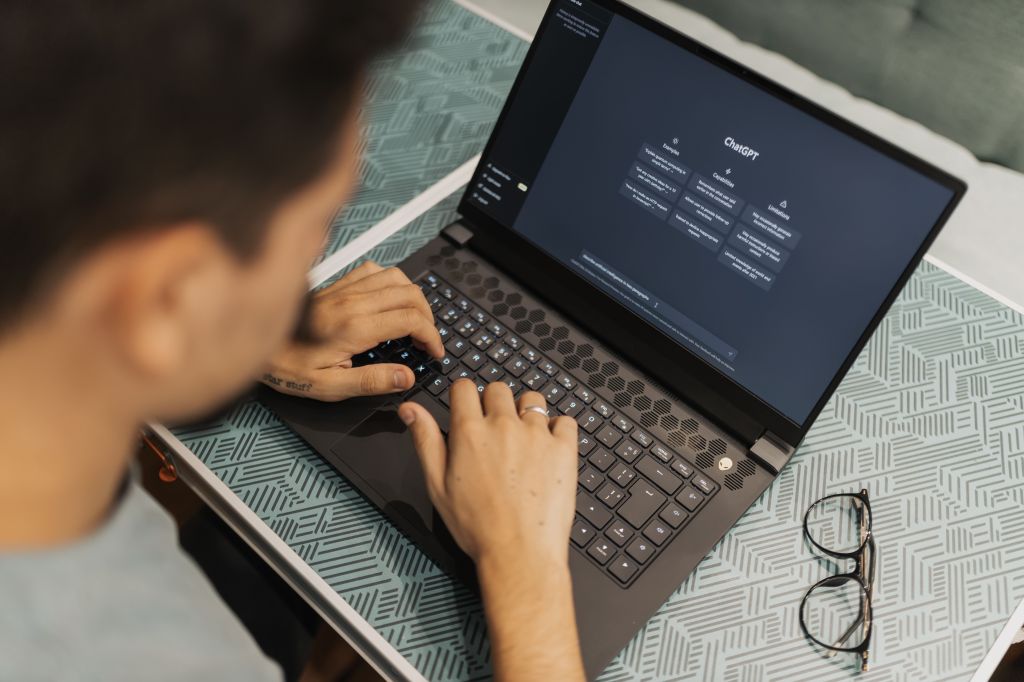
**There are different types of AI. This blog post refers to text generative AI such as Grammarly, Chat GPT, etc.**
Picture this. You have crafted a paper you are proud of and have double checked all requirements. Annotations? Check. Sources cited? Check. Proper MLA format? Check. You also paid attention to the bolded words in all caps at the top of the instruction sheet: USE OF AI WILL RESULT IN FAILURE. You check the box that verifies the work is your own and hit submit. Two days later you get an email from your professor requesting a meeting, and he has evidence this paper is AI written. What could have happened?
This is not an uncommon scenario. Is the professor’s AI detection software at fault? Are you at fault? Either could be the case here. Here are ways to avoid getting flagged for AI usage—even if you are not aware you are implementing it.
Use Google Workspace
Google Docs, Sheets, Slides, etc. tracks your progress as you add and change data. Completing your projects and essays via these platforms adds a layer of protection if you are accused of using AI. By showing your professor your work history and timestamps, you can prove the work is your own, and you did not have any irregular activity (e.g. copy/pasting large blocks of text you did not cite).
Be Wary of Grammarly
Grammarly is a free tool that can be attached to Google Docs. It highlights word usage or spelling errors. However, you can also opt into additional AI features. Grammarly will NOT make corrections of large text on its own. Therefore, if you are accepting Grammarly’s corrections beyond the word usage/spelling changes, and you are changing many of your sentences to what Grammarly is suggesting, your work will get flagged as AI.
Document Everything
It will be time-consuming, but it’s better to err on the side of caution. Take screenshots of your work through various stages. Take photos of timestamps. Keep all hard copies of anything you photocopied or printed out. Add actual annotations on print-outs that show your thought process. Most professors know that AI detection tools are flawed, so the more you have to prove your case the better.
If All Else Fails
All the advice above should be enough to prove your work is original. However, if more explanation is needed, offer to guide the professor through your thought process. Explain how you came up with the thesis. Show how the thesis and paragraphs evolved and explain why. Expound on the word choice you picked. You can also set up a time to write a few paragraphs on the topic in question in front of them.
The Bottom Line
No one wants their integrity questioned, and it would be ideal if that did not occur. However, if it does, being prepared can help keep your reputation intact.


Leave a Reply